Queens Harbour: What Changes in an Established Gated Community
Queens Harbour, Jacksonville, FL (32225) is one of the older gated marina communities in this market. Older HOA structures and long-tenured owners raise different questions than a new build does — here's how I work through them.
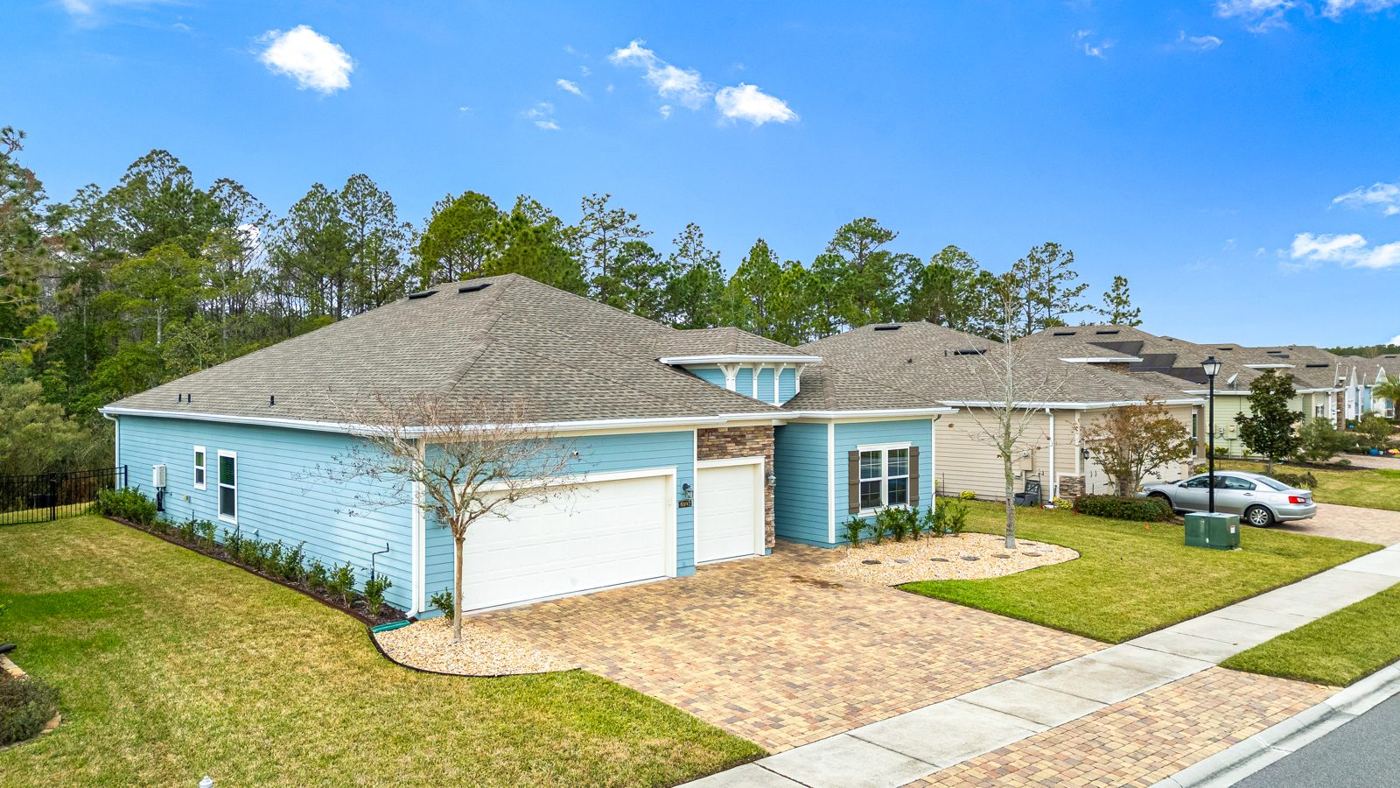
1. Q&A: Gate, Marina, HOA — What Am I Actually Paying For?
Q: Queens Harbour has a marina and a gate — does that mean higher HOA dues than newer communities? A: Often, yes, because the association is funding gatehouse staffing, marina upkeep, and aging shared infrastructure rather than paying down a CDD bond the way a newer master-planned community would. It's a different cost structure, not automatically a worse one — but it needs to be read on its own terms.
Caveat: in an established community like this, reserve funding matters as much as the current dues. Ask for the HOA's reserve study and recent special assessment history before you assume the monthly number is the whole picture.
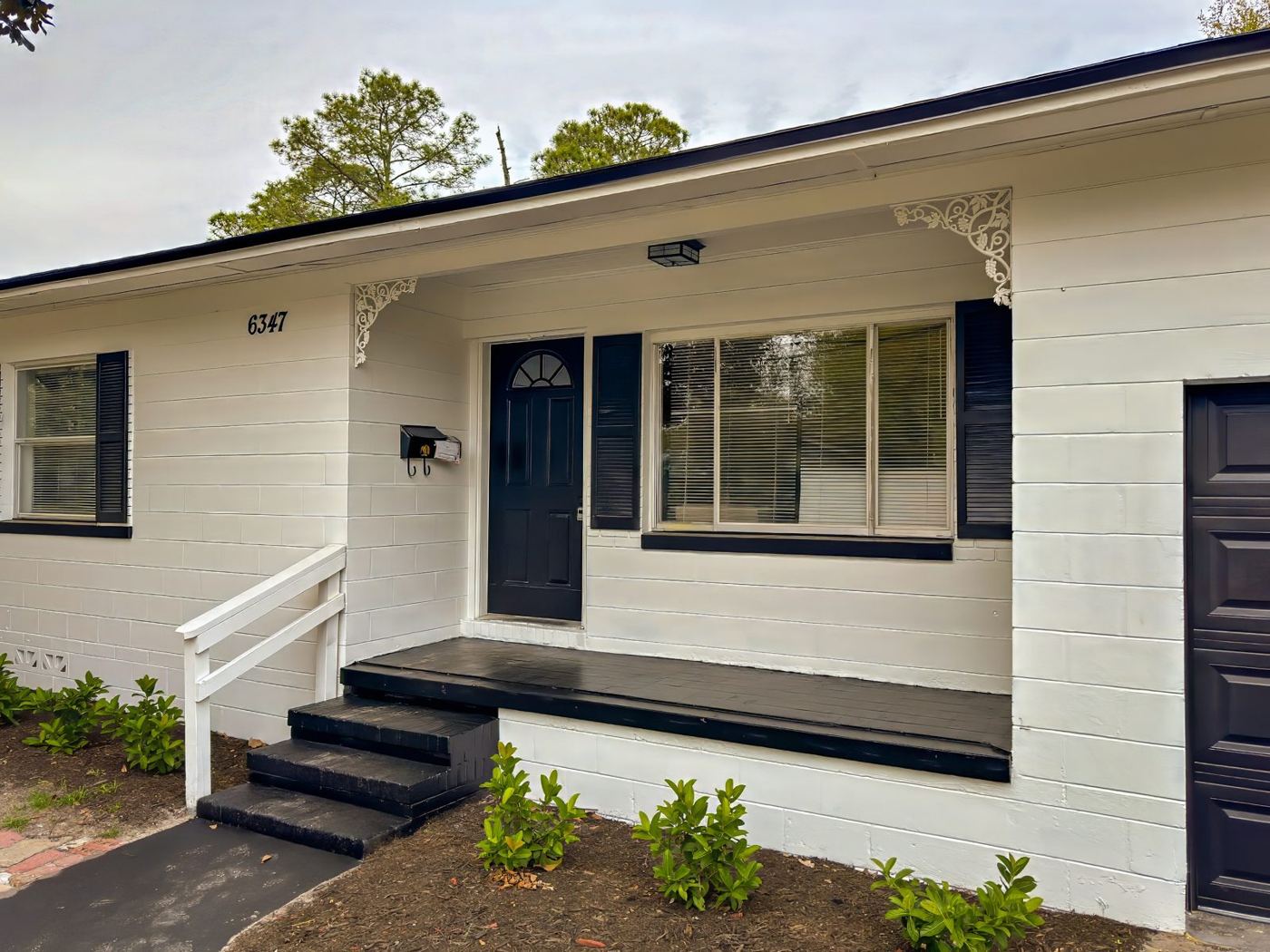
2. Estate and Long-Held Property Sales Need a Different Playbook
A meaningful share of the sales I work in Queens Harbour involve a home that's been in one family for decades — sometimes an estate sale, sometimes an owner relocating after years in the community. Those transactions come with their own wrinkles: outdated permits, deferred maintenance behind a well-kept exterior, and heirs who don't agree on price or timeline. That's a different conversation than pricing a five-year-old resale.
If you're buying with rental income in mind, confirm the association's leasing rules before you count on it — gated marina communities like this frequently restrict lease terms or require board approval of tenants.
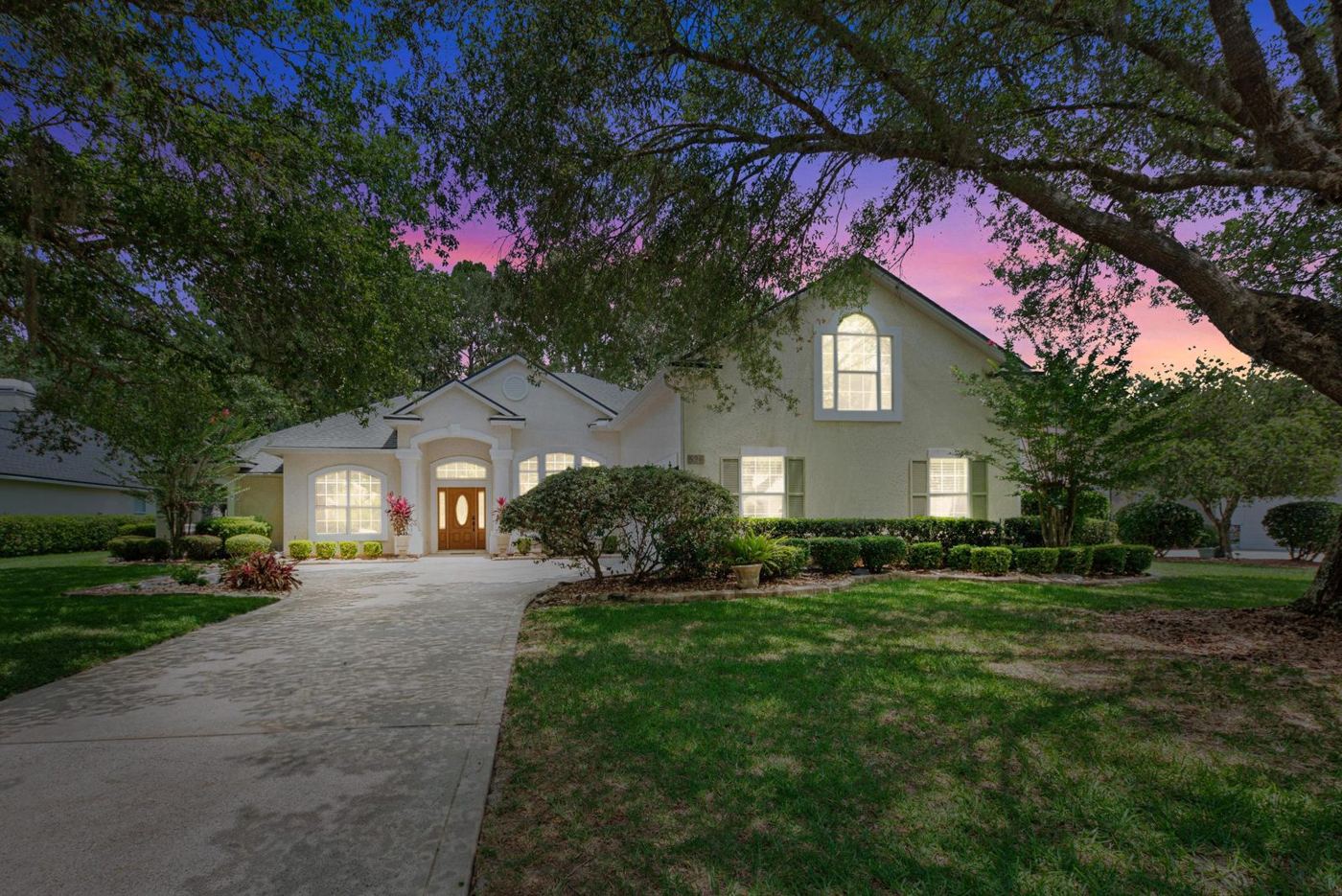
3. Where a Broker's Experience Pays for Itself
Close to 30 years brokering deals, State-approved short-sale instructor credentials, and ABR and MRP designations aren't résumé filler — they're the toolkit I use on estate sales, distressed situations, and multi-heir negotiations that come up more often in an established community like Queens Harbour than in a brand-new subdivision. If your file has any of those complications, that's the reason to call a broker directly rather than the first agent who sends a postcard.
For a straightforward purchase or listing, the same discipline applies: verify the HOA's financial health, confirm what's actually included in the dues, and negotiate from the facts. Reach me at (904) 554-8560.
Buying, Selling, or Settling an Estate in Queens Harbour?
Bring me the complicated file — that's the one I can help with most.
📞 Call (904) 554-8560Questions I Get Asked About Queens Harbour
Q: Why are HOA dues here structured differently than in newer communities?
A: Queens Harbour funds gate, marina, and shared amenity upkeep through HOA dues rather than a CDD bond. Caveat: ask for the reserve study, since underfunded reserves can lead to a special assessment later.
Q: I'm handling an estate sale here — where do I start?
A: Start with a broker who can coordinate probate timelines, deferred maintenance, and multiple heirs at once. Caveat: pricing an estate property off a standard comp sheet without accounting for condition can cost the estate real money.
Q: Can I lease out a home in Queens Harbour?
A: Often yes, but with board approval or minimum lease terms attached. Caveat: verify the current leasing policy before you factor rental income into your offer.
Q: What if the estate owes more than the house is worth?
A: A short sale can still be an option, and it's a process I teach as a state-approved instructor. Caveat: coordinate with the lender and any probate attorney early — timing is everything here.