Oakleaf Plantation: What a Broker Checks Before New Construction Closes
Oakleaf has a CDD, and which one depends on the side of SR-23 / First Coast Expressway. East is the Double Branch Community Development District (doublebranchcdd.com); west is the Middle Village Community Development District (middlevillagecdd.com). Amounts differ by district and by single-family versus multifamily. Confirm the line on the Clay County tax bill before you write — Keith will pull it for the parcel.
Oakleaf Plantation is one of the largest master-planned communities in Clay County, and most of what sells there is builder new construction. That changes the questions a buyer needs answered — and it's a different review than a resale contract.
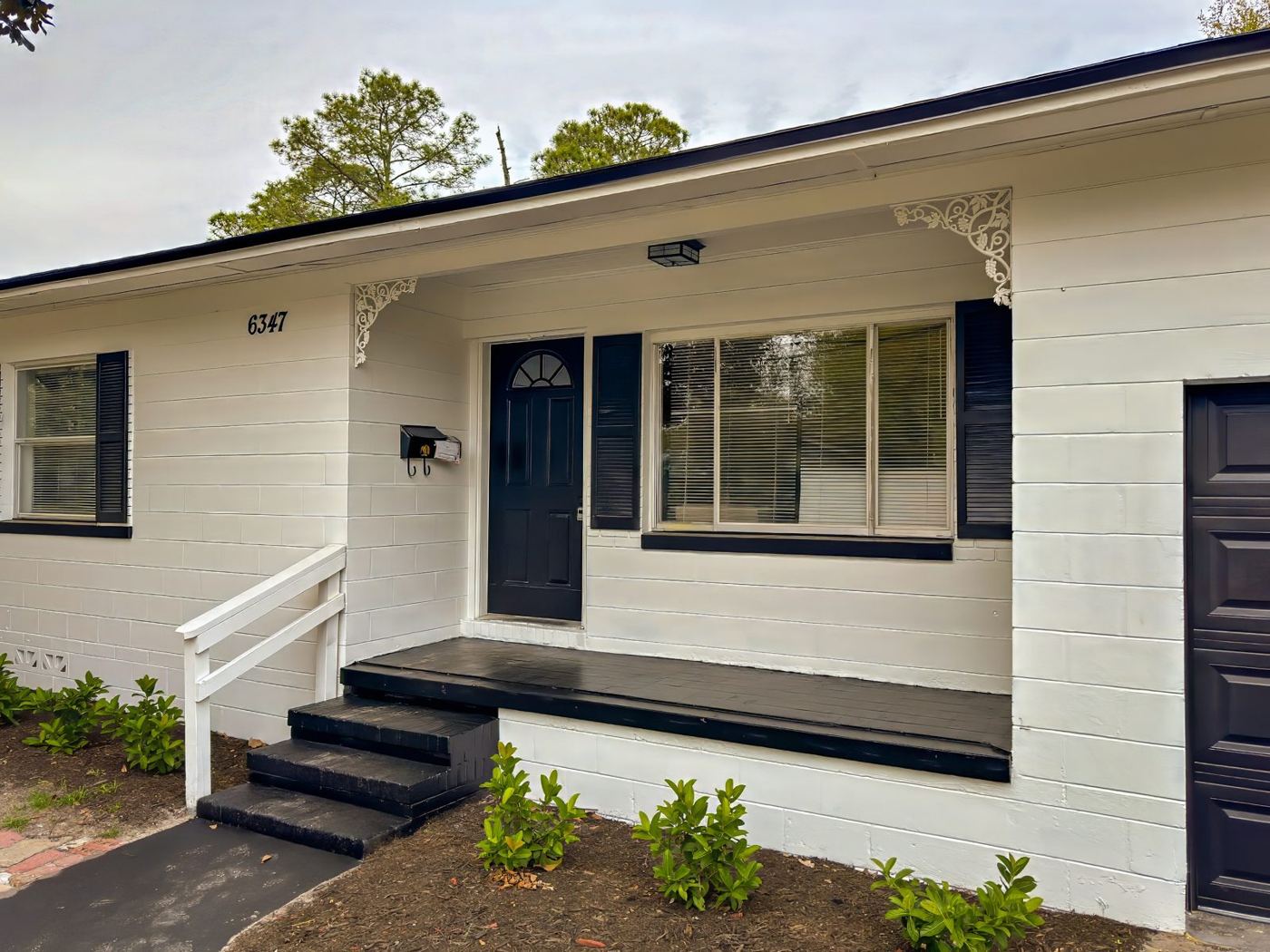
1. Builder Incentives: Read the Whole Contract, Not the Sign-On Sheet
Q: Are builder incentives in Oakleaf Plantation a good deal?
A: Sometimes, but the incentive sheet a builder hands you at the sales office is only half the math. Rate buydowns, closing-cost credits, and design-center allowances change from month to month and section to section inside Oakleaf, and they're built into the base price the builder is quoting that week. I compare the all-in price against recent closed sales in the same section before telling a client whether an incentive is real value or just a marketing frame.
Caveat: bringing independent representation to your first sales-office visit matters here specifically, because builder reps represent the builder — not you. Your inspection rights, lot premium negotiation, and incentive terms are strongest before you've signed anything.
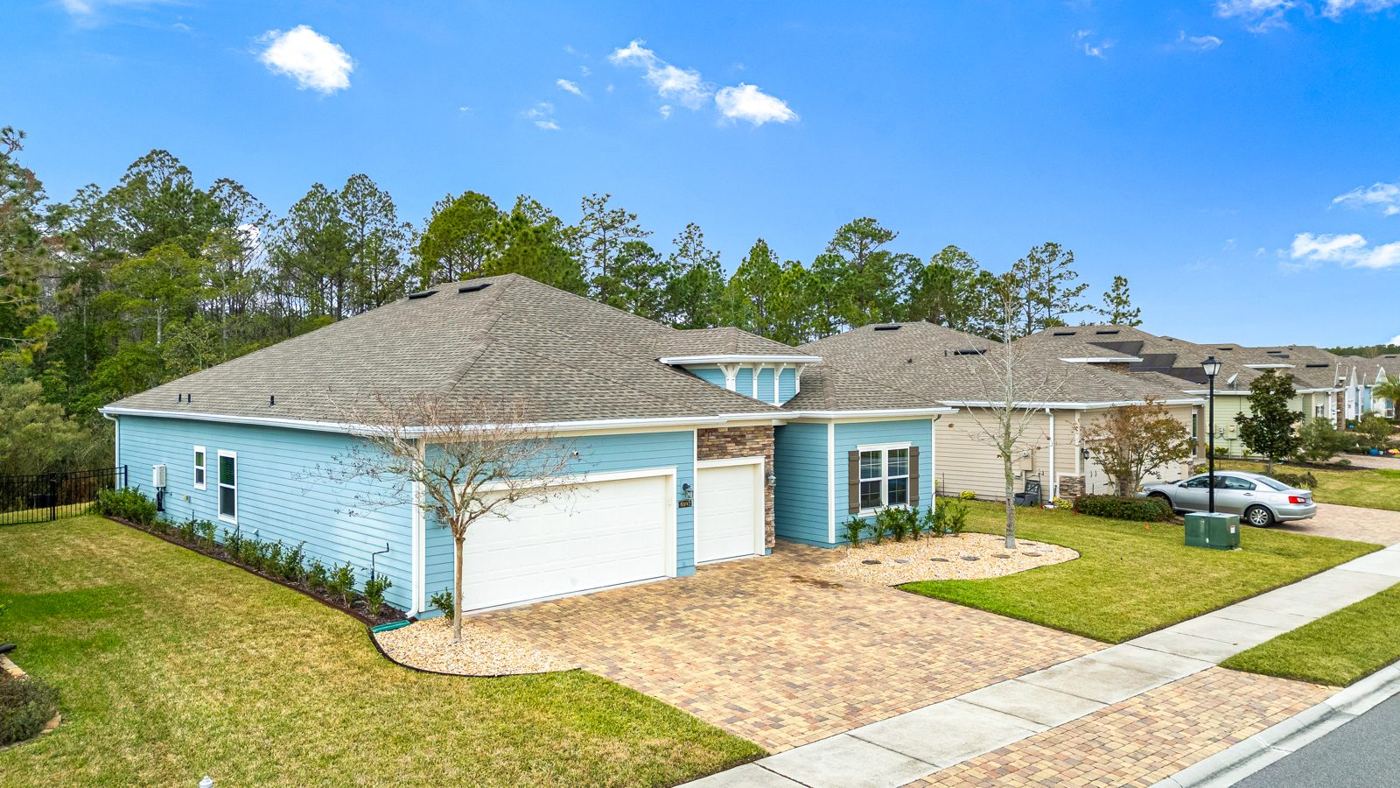
2. CDD Structure Across Oakleaf's Multiple Phases
Q: Does every section of Oakleaf Plantation carry the same CDD assessment?
A: No, and that's the detail buyers miss most often. Oakleaf was built out in phases over many years, and each phase's Community Development District debt was issued at a different time, for different infrastructure, on a different amortization schedule. The CDD line on a home in an early phase can differ meaningfully from a home built two sections over. I pull the specific district assessment for the lot in question, not a community-wide average.
Q: What's separate from the CDD here?
A: HOA dues, which fund the community's amenity operations and common-area upkeep day to day. Two different obligations, two different purposes — both show up on your monthly cost, and both need to be verified independently.
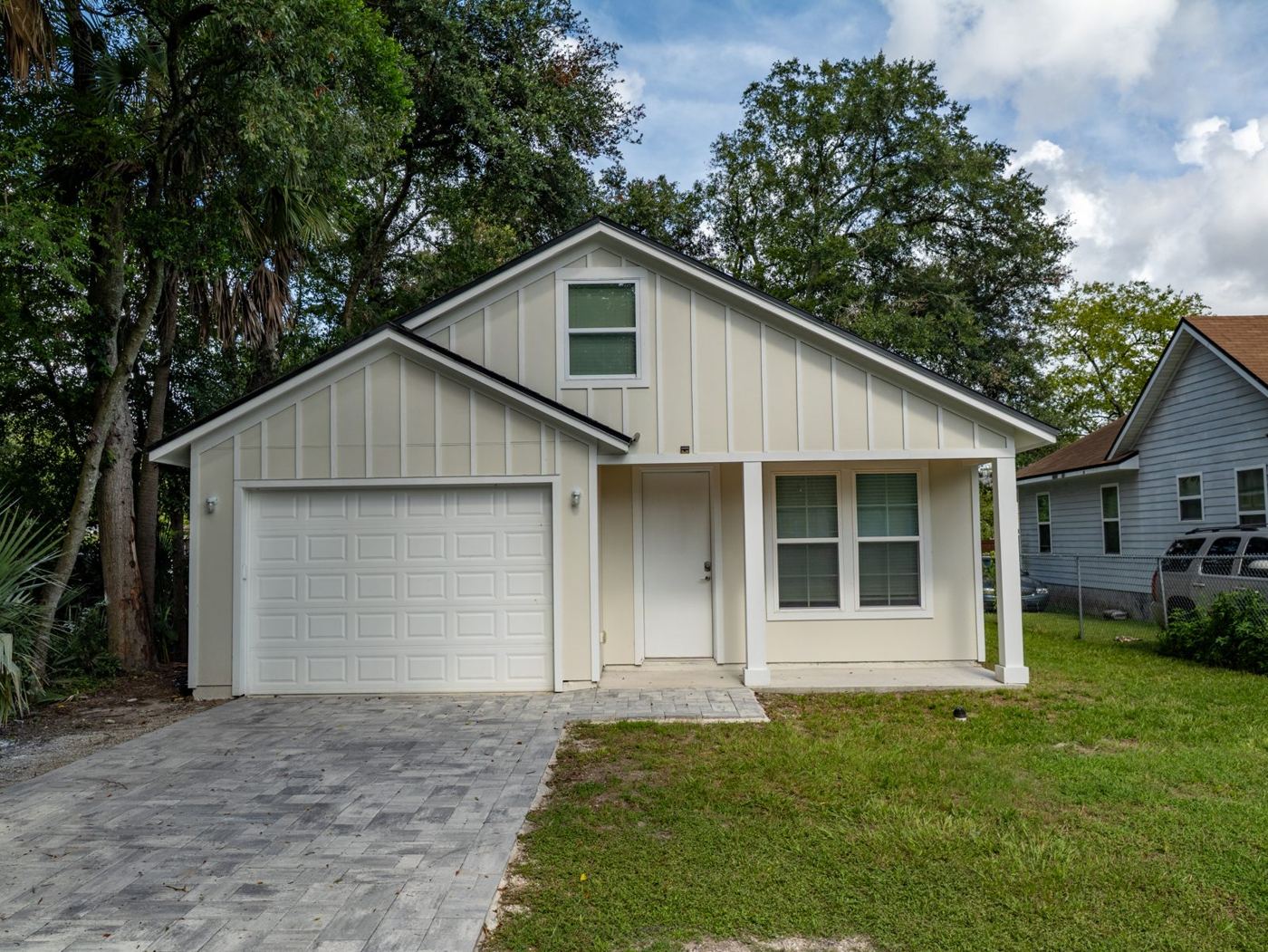
3. Investor Math: Rental Rules Before You Run the Numbers
Q: Can I buy in Oakleaf Plantation as a rental investment?
A: Check the HOA's lease policy before you run your rental math, not after. Some sections limit the number of homes leased at one time or require a minimum lease term, and that directly affects whether the investment pencils out the way you assumed at the sales table.
Caveat: builder-phase communities sometimes adjust these rules as control transfers from the developer to a resident-run board, so confirm current policy, not what a neighbor told you two years ago.
4. Broker-Level Representation for a Builder Contract
Q: Why does buyer representation matter more in a new-construction deal?
A: A builder contract is written by the builder's attorneys, for the builder. As a Broker/Owner who trains other agents on contract review, I go through the construction schedule, warranty terms, and lot-specific addenda the way I'd teach a class to do it — line by line, before you sign, not after your deposit is at risk.
Have a Oakleaf Plantation File With a Hard Question in It?
Bring me the CDD question nobody could answer, the distressed title, or the builder contract you don’t fully trust — that’s the file I want to see first, not last.
📞 Call (904) 554-8560Who Oakleaf Plantation Makes Sense For
Oakleaf makes sense for a buyer who wants serious amenity infrastructure — and accepts that the CDD funding it differs from phase to phase, which means two similar houses can carry different tax bills. It fits a new-construction purchaser who wants independent representation at the builder's table, where the incentive sheet and the contract don't always tell the same story. Investors fit only after the rental rules are confirmed in writing for the specific section. A buyer who wants the smallest possible fee stack should be comparing non-CDD alternatives honestly rather than hoping the assessment retires soon.
Assessment schedules, school zoning, and flood mapping are all address-specific and all subject to change. Confirm the flood zone through the FEMA flood maps and exemption treatment through the Florida Department of Revenue; verify current school assignment directly with the district and the exact assessment history with the Clay County Property Appraiser before you rely on either.
Before you commit to a phase in Oakleaf Plantation, let me pull the actual numbers for the lot — that's a ten-minute call that prevents a five-figure surprise. Reach me at (904) 554-8560 or start with today's Oakleaf listings.
Straight answers on the three questions buyers ask Keith most: CDD and HOA costs, builder incentives on new construction.