Durbin Crossing: What I Check Before I Let a Client Sign
A broker's checklist for one of St. Johns County's larger master-planned communities — the CDD debt riding behind the amenity package, what the HOA dues cover and don't, the school-zone patterns worth knowing, and active MLS listings in Durbin Crossing, St. Johns, FL (32259).
1. One Neighborhood Name, Several Different Price Pictures
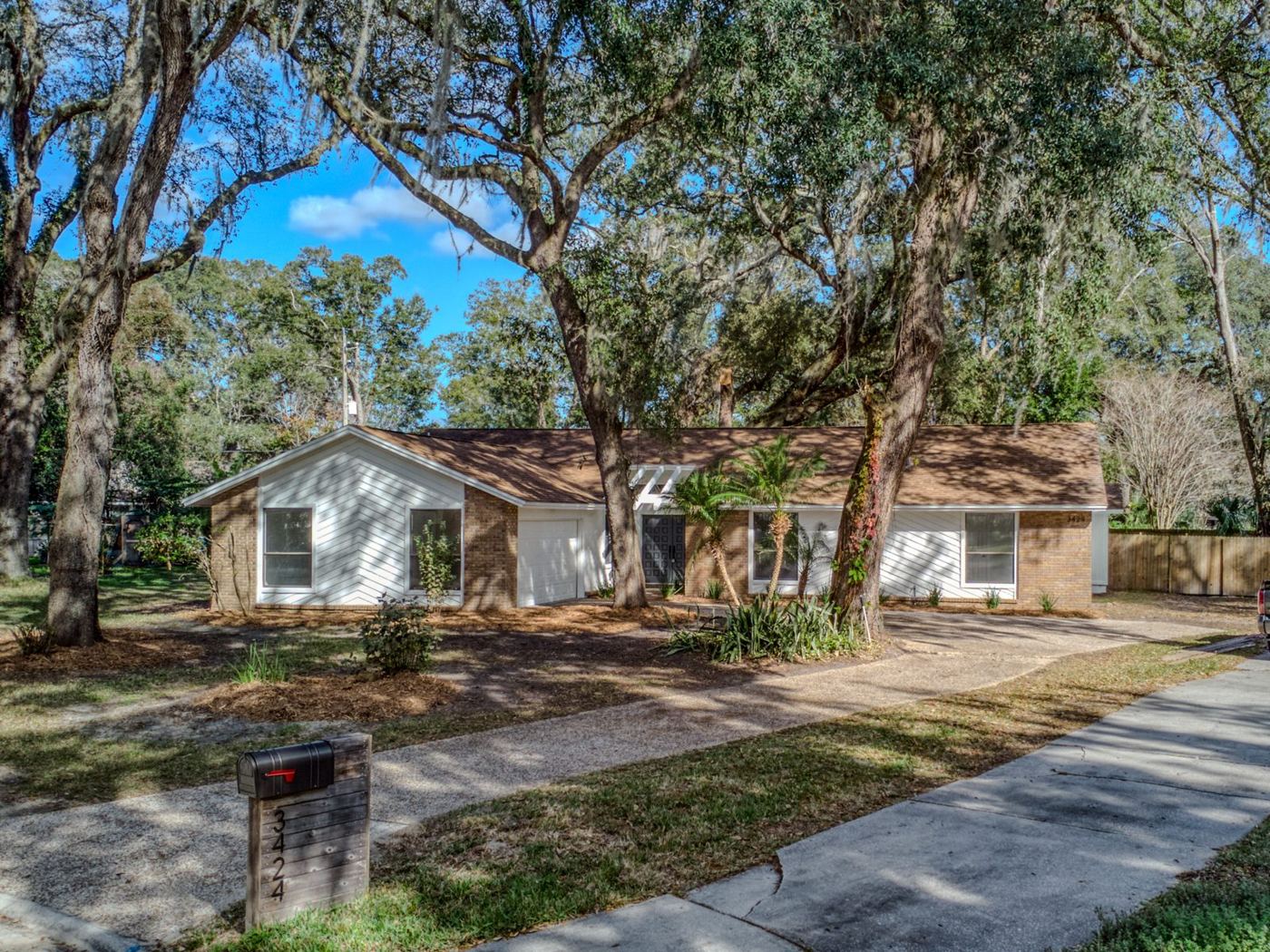
Q: Is there really such a thing as "the" Durbin Crossing price? A: Not one you can quote off a single average. Durbin Crossing is large enough to include multiple builder phases, each with its own remaining CDD debt load and its own floor plan mix, and in some pockets a different zoned elementary boundary. Two homes with the same bedroom count and similar age can carry meaningfully different carrying costs once you look past the sale price.
Caveat: that spread doesn't live on the MLS sheet. It lives in the CDD disclosure and the county tax roll, and reading those correctly — not skimming past them — is where a broker's review earns its keep. Before you compare two listings on price alone, ask which phase each one sits in.
2. CDD Debt, HOA Dues, and the Line Buyers Blur
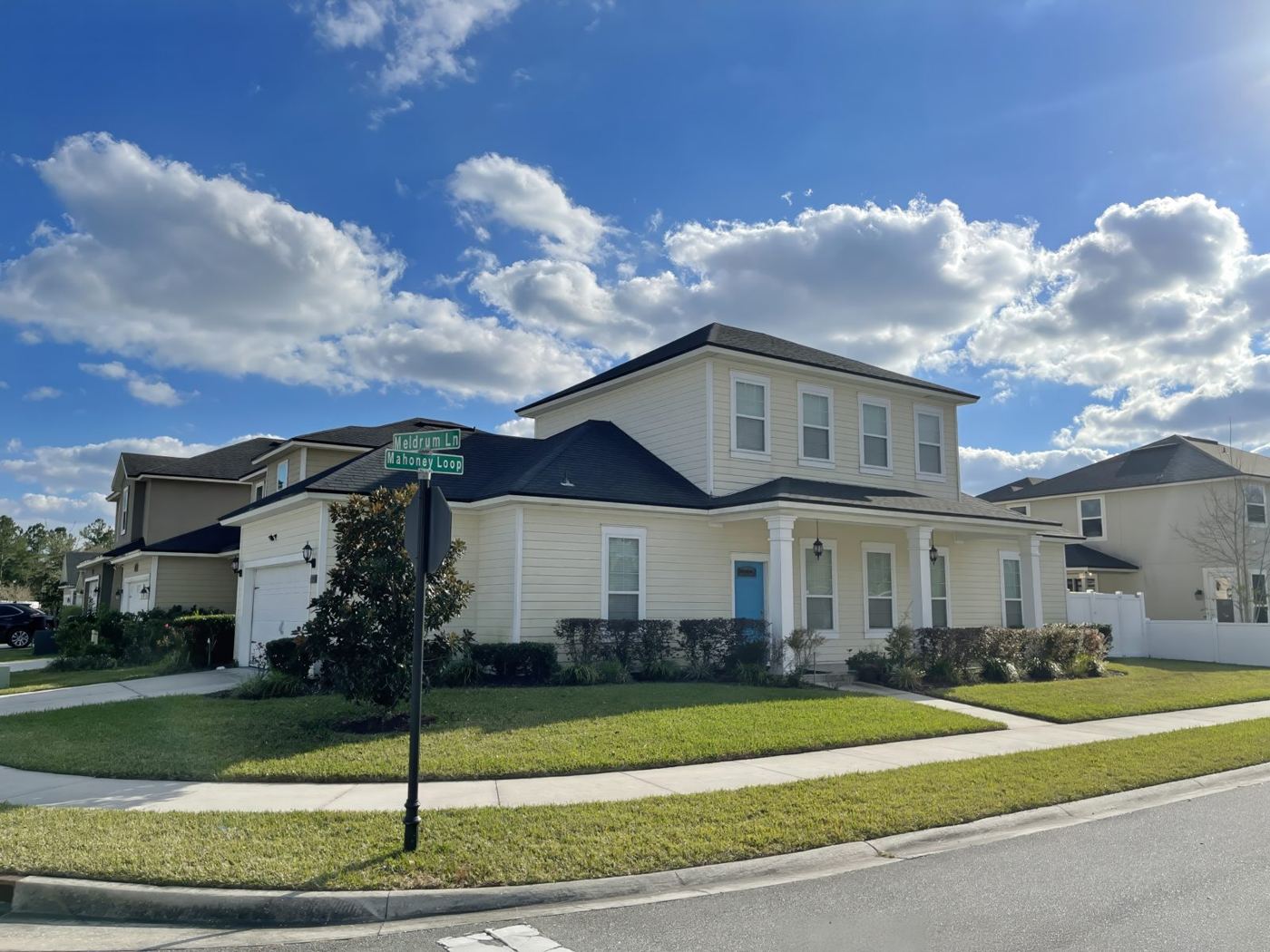
Q: Aren't the CDD assessment and the HOA fee basically the same charge? A: No, and treating them as one line item is how buyers underbudget. The CDD assessment repays the bond that funded roads, utilities, and the amenity package before the first closing, and it shows up on the tax bill, typically amortized over decades. The HOA fee is a separate, recurring charge that funds this year's landscaping, gate staffing, and common-area upkeep — it doesn't touch the bond balance. Published CDD assessments in communities like Durbin Crossing vary by community and phase, but the number depends on the phase and how much debt remains on that specific parcel — I confirm the current figure rather than quote an average.
Caveat: a phase nearer to retiring its CDD debt is a materially different long-term cost than one still years out, even at an identical list price. Zoned public schools here carry strong Florida DOE ratings, and in my experience that tends to keep resale demand steadier through a softer market — a pattern, not a guarantee.
3. Where Representation Actually Pays for Itself
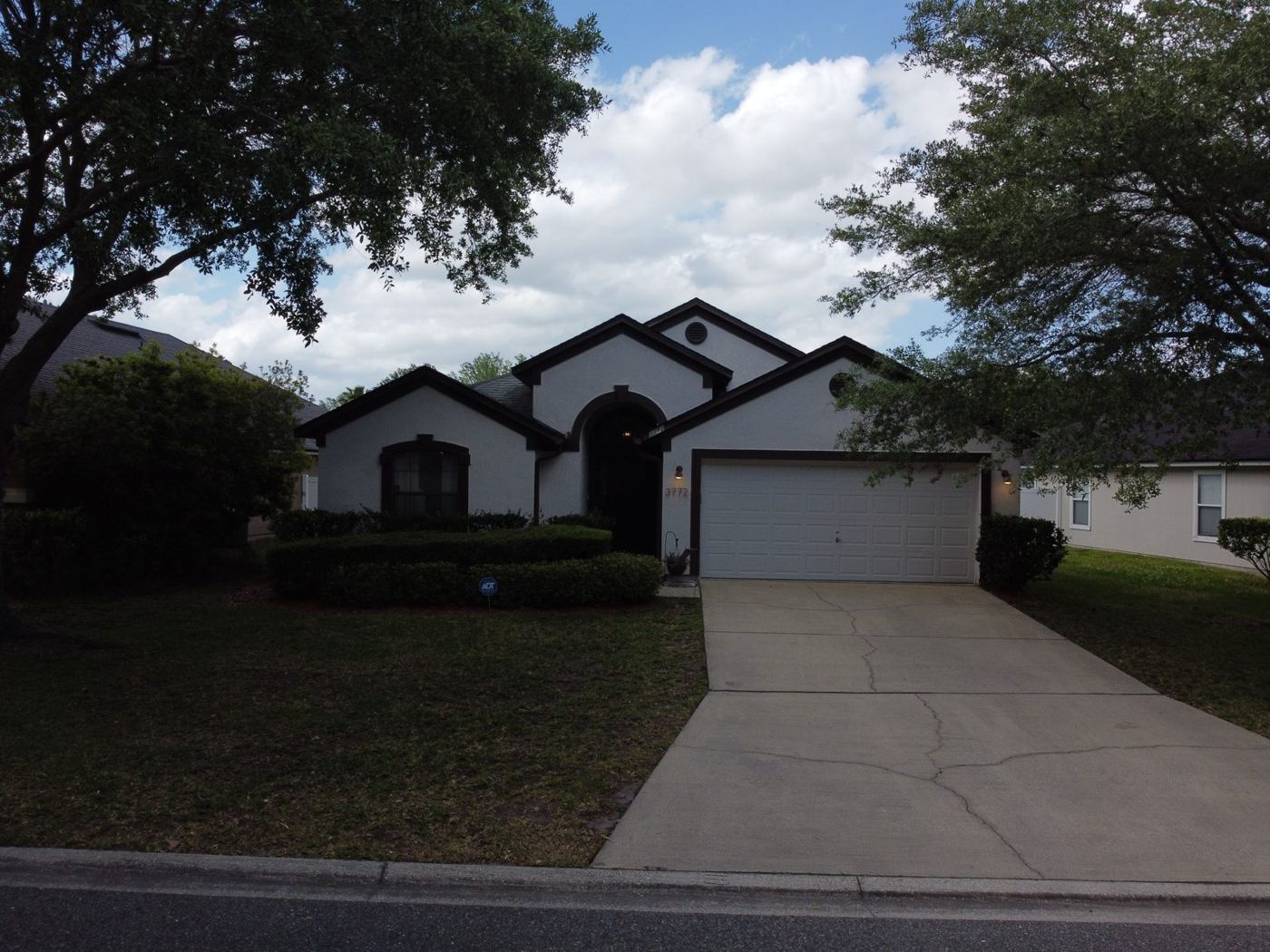
Q: What should a buyer nail down before signing on new construction in Durbin Crossing? A: Any rate buydown or closing-cost credit the builder is offering, in writing, weighed against the total price of the home rather than treated as free money — those incentives shift lot to lot and month to month. The builder's on-site rep is compensated to protect the builder's margin; independent representation means someone reviewing your inspection rights and lot selection who answers to you instead.
Q: What if the sale isn't straightforward? A: Some Durbin Crossing sellers I work with aren't choosing between a cash offer and a full MLS listing — they're managing a mortgage that's fallen behind, a relocation on a deadline, or an estate that needs sorting. As a state-approved short-sale instructor, I evaluate whether a short sale, a negotiated payoff, or a standard listing actually fits the numbers, and I say so plainly before you commit. Bring me the complicated situation; that's the one I train other agents to handle.
Have a Durbin Crossing Situation That's More Than a Web Form Can Handle?
Thirty years across Northeast Florida means I've likely seen a version of it before. Call and walk me through it — I'll give you a straight read on your options.
📞 Call (904) 554-8560Frequently Asked Questions — A Broker's Answers on Durbin Crossing
Q: Are the CDD assessment and the HOA fee the same thing?
A: No. The CDD assessment repays the bond behind the community's roads and amenities and rides on the tax bill, typically over decades. The HOA fee is separate — it covers this year's landscaping and common-area upkeep, not debt. Published CDD figures for communities like Durbin Crossing vary by community and phase, but always confirm the current assessment for the specific phase; it's not uniform across the community.
Q: What should I ask before signing on new construction here?
A: Get the builder's current rate buydown or closing-cost credit in writing and weigh it against the total price, not as an isolated discount — those packages change lot to lot and month to month. Bringing independent representation to that first visit protects your pricing rights; the on-site rep is there to protect the builder's.
Q: Do the zoned schools actually change resale value?
A: Homes zoned for Durbin Crossing's A-rated elementary, middle, and high schools have tended to hold buyer demand steadier through market shifts than comparable homes outside the boundary. I won't invent a specific premium number — the pattern is consistent, but your home's exact position depends on its own comps.
Q: My situation isn't a clean sale — cash offer, short sale, or MLS?
A: It depends what's driving the sale. A cash offer trades a lower net number for speed and certainty. A full MLS listing usually nets more but takes longer. If a missed mortgage payment, a relocation deadline, or an estate is behind the timeline, a short sale may be the better tool — as a state-approved short-sale instructor, I'll tell you plainly which path fits before you sign anything.